
A herniated disc — also commonly called a slipped disc or prolapsed disc — occurs when the soft, gel-like inner nucleus of a spinal disc bulges or ruptures through a tear in the tough outer annulus, pressing on adjacent nerve roots. It is one of the most common causes of severe neck and back pain in the UK, most frequently occurring in the lower lumbar spine (L4-L5 and L5-S1 levels) and lower cervical spine (C5-C6 and C6-C7 levels). Symptoms vary by location but often include sharp radiating pain, numbness, tingling, or muscle weakness that travels down the arm (cervical herniation) or leg (lumbar herniation, often called sciatica). Common causes include repetitive bending and lifting, sedentary lifestyles, poor posture, age-related disc degeneration, and sudden traumatic injury. While severe cases may require surgery, the majority of herniated discs respond well to conservative, non-surgical treatment.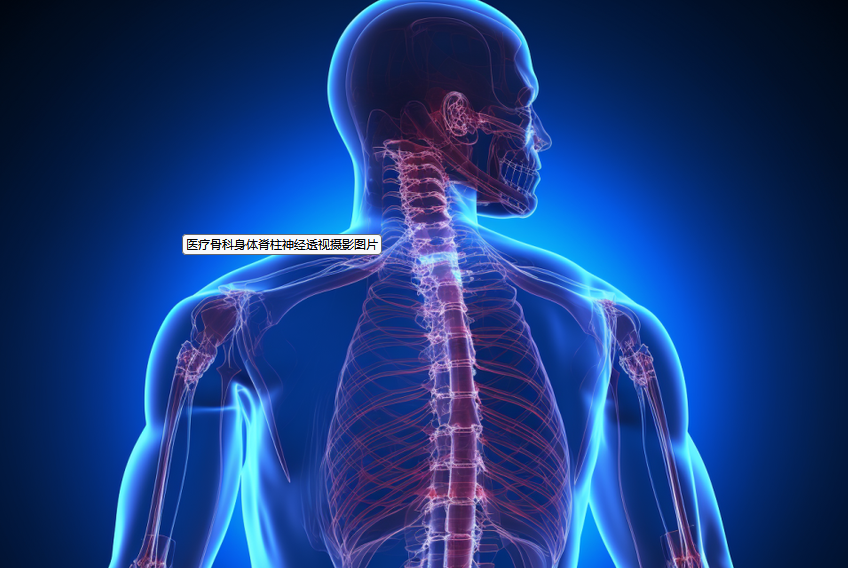 In TCM, herniated disc conditions are classified as a combination of “root deficiency and branch excess.” The root is typically Kidney Qi and Liver Blood deficiency, which weaken the spine, ligaments, and disc structures over time. The branch excess is Qi and Blood stasis with obstructed meridians, caused by injury or strain, which produces the sharp radiating pain and numbness characteristic of nerve compression. Cold-Dampness obstruction can also worsen symptoms, leading to stiffness and heaviness in the affected limb.
At TCM Oxford, we offer acupuncture and Tuina as safe, drug-free conservative treatment options for mild to moderate herniated discs, as well as for post-surgical rehabilitation after disc procedures. Acupuncture works on multiple levels to support recovery: it reduces local inflammation around the affected disc and nerve root, eases sharp neuropathic pain by modulating nerve signal transmission, and improves microcirculation in surrounding soft tissues to support the body’s natural healing response. Key acupoints selected include local points along the Bladder Meridian flanking the spine, as well as distal points such as BL40 (Weizhong) for lumbar herniation and LI4 (Hegu) for cervical herniation, to unblock meridian flow and reduce radiating pain.
Our Tuina therapy for herniated discs focuses on relieving muscle spasm and reducing pressure on the affected nerve root, rather than aggressive spinal manipulation. Practitioners use deep, targeted pressure to release chronic spasm in the paraspinal muscles that tighten around the injured disc as a protective response. By relaxing these tight muscles, improving spinal alignment, and increasing space between vertebrae, Tuina reduces mechanical pressure on the nerve root and alleviates radiating pain and numbness. All techniques are performed within your comfort level, with no forceful twisting or cracking.
Treatment plans are tailored to the severity and location of the herniation, but most patients begin to experience reduced pain and improved mobility within 3 to 5 sessions. A full course of 8 to 12 weekly treatments often allows patients to return to normal daily activities without reliance on strong pain medication. We also provide detailed posture guidance and safe movement advice to prevent further disc strain and reduce the risk of future herniations. For severe cases, we recommend working in conjunction with your orthopedic specialist.