
Neck and shoulder stiffness, soreness, and reduced range of motion are among the most common musculoskeletal complaints in the UK, particularly among office workers, students, and remote employees who spend 6 or more hours daily working at screens. Dubbed “text neck” and “desk shoulder” in modern clinical practice, this condition develops gradually from sustained hunching posture, rounded shoulders, forward head position, and unconsciously held stress tension in the upper body. Left unaddressed, mild neck and shoulder discomfort can progress to chronic myofascial pain, reduced cervical mobility, recurrent headaches, and even nerve compression that causes tingling and weakness in the arms and hands.
 From a TCM standpoint, neck and shoulder discomfort falls under the category of “Bi syndrome” — obstruction of Qi and Blood flow in the Gallbladder, Bladder, and Small Intestine meridians that traverse the neck and shoulder region. Long-term posture strain and emotional stress cause Qi stagnation, which over time impairs Blood circulation and leads to muscle tightness, aching, and reduced mobility. Exposure to cold and damp environments can further constrict meridians and worsen stiffness, especially during the UK’s cooler autumn and winter months.
At TCM Oxford, we use a combined protocol of acupuncture and Tuina to release deep-seated tension and restore healthy function to the neck and shoulders. Acupuncture is delivered to targeted points such as GB21 (Jianjing) at the top of the shoulder, SI11 (Tianzong) in the center of the scapula, and SI3 (Houxi) on the hand — a point widely used in TCM for neck and spinal conditions. These points unblock stagnant Qi and Blood, reduce local inflammation in tight muscles, and relax overactive motor nerves that sustain involuntary muscle contraction. The fine needles penetrate deep into trigger points that are hard to reach with surface massage alone.
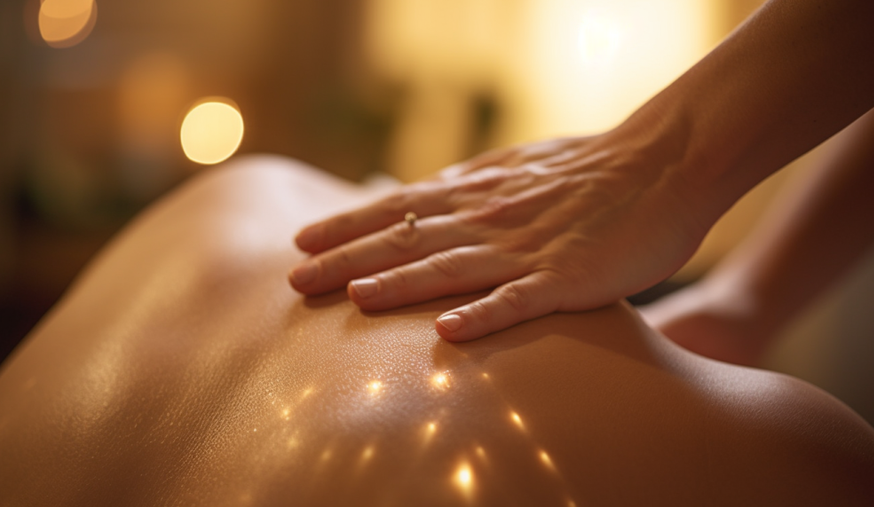
Tuina massage is the core therapy for resolving muscular neck and shoulder tension. Our practitioners use a combination of rolling, kneading, finger pressing, and gentle stretching techniques to work through layers of tight muscle in the trapezius, levator scapulae, rhomboids, and cervical paraspinal muscles. We also apply passive stretching to improve cervical spine range of motion and correct muscular imbalances caused by prolonged desk work. Unlike general relaxation massage, our therapeutic Tuina targets the specific meridian pathways and muscle groups responsible for your pain, delivering both immediate relief and long-term structural improvement.
Most patients feel immediate loosening and reduced soreness after their first Tuina and acupuncture session. For chronic, long-standing neck and shoulder tension, a course of 4 to 6 weekly treatments typically restores full range of motion, eliminates persistent aching, and reduces frequency of related tension headaches. We also teach simple desk-based stretching exercises to help patients maintain results between sessions and prevent recurrence from daily screen use.