
In the practice of Traditional Chinese Medicine (TCM), the concept of Yin-Yang balance is the fundamental principle that guides every diagnosis and treatment—including our signature acupuncture and Tuina massage therapies at TCM Oxford. More than just a philosophical idea, Yin-Yang represents the two complementary forces that govern all aspects of nature and the human body. When these forces are in harmony, we enjoy optimal health; when imbalanced, physical and emotional discomfort arise.
Yin and Yang are not opposing forces, but interdependent energies that exist in constant dynamic equilibrium. Yin is often associated with qualities like coolness, darkness, stillness, and inward focus—encompassing bodily structures such as blood, fluids, and internal organs. Yang, by contrast, embodies warmth, light, movement, and outward expression—manifesting as Qi (vital energy), heat, and muscular activity. Every part of the body has both Yin and Yang aspects: for example, the interior of an organ is Yin, while its exterior function is Yang.
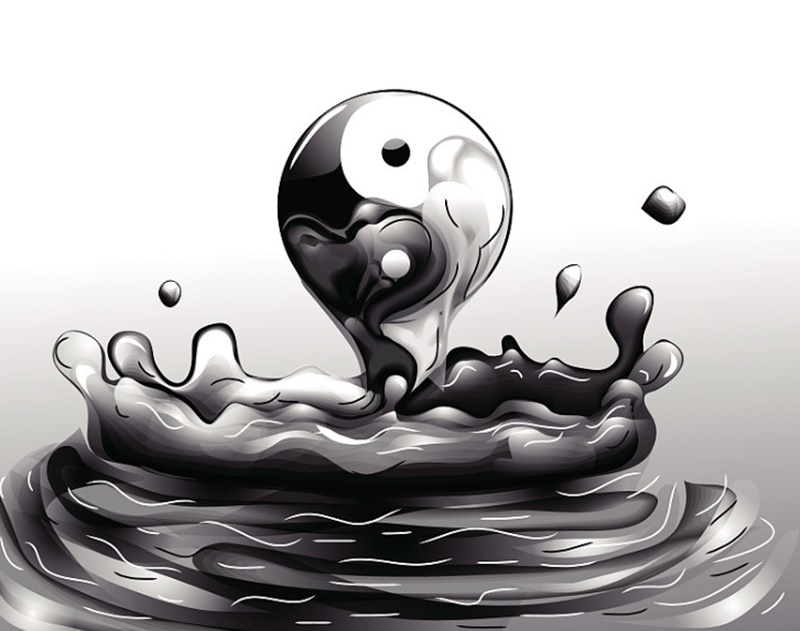 Common causes of Yin-Yang imbalance in modern life include poor diet, irregular sleep, chronic stress, lack of exercise, and environmental factors—issues that many people in the UK struggle with daily. A Yang deficiency, for instance, may lead to persistent fatigue, cold hands and feet, and weakened immunity; a Yin deficiency can cause dry skin, restlessness, insomnia, and hot flashes. Similarly, an excess of Yang might result in inflammation, headaches, or irritability, while excess Yin can lead to bloating, water retention, and sluggishness.
At TCM Oxford, our acupuncture and Tuina massage therapies are tailored to restore Yin-Yang balance by targeting specific meridians (energy channels) and acupoints. Acupuncture, a time-honored TCM practice, uses ultra-fine, sterile needles to stimulate Qi flow, regulating Yin and Yang in areas where energy is blocked or imbalanced. For example, a patient with Yang deficiency may receive acupuncture at points like Zusanli (ST36) to boost Yang energy and warm the body, while someone with Yin deficiency might be treated at Sanyinjiao (SP6) to nourish Yin fluids.
Tuina massage, another core therapy at our clinic, complements acupuncture by using rhythmic manual techniques to knead muscles, stimulate meridians, and harmonize Yin-Yang. For those with excess Yin (such as fluid retention), Tuina employs invigorating strokes to promote circulation and dispel stagnant energy. For individuals with Yang excess (like tension headaches), gentle, calming Tuina movements help reduce heat and soothe overactive Yang.
Beyond clinical treatments, we also guide our patients in maintaining Yin-Yang balance through daily habits—aligning with TCM’s holistic approach to health. This includes dietary advice: balancing warm (Yang) foods like ginger, garlic, and lean meats with cooling (Yin) foods such as cucumber, lotus root, and herbal teas. We also recommend adjusting sleep patterns (prioritizing rest before midnight to nourish Yin) and incorporating gentle exercise like Tai Chi to regulate Qi and support equilibrium.
Yin-Yang balance is not a static state, but a continuous journey of adjustment—especially in today’s fast-paced world. Our team of qualified TCM practitioners at TCM Oxford is dedicated to helping you identify imbalances, restore harmony through personalized acupuncture and Tuina treatments, and empower you with the knowledge to maintain wellness long-term. Whether you’re struggling with chronic pain, fatigue, stress, or other health concerns, addressing Yin-Yang balance is the first step toward holistic healing.
Contact TCM Oxford today to book a consultation, and let us guide you back to harmony with the timeless wisdom of Yin-Yang and TCM.