
The meridian system is the invisible backbone of Traditional Chinese Medicine (TCM)—a network of energy pathways that connects every organ, tissue, and cell in the body, guiding the flow of Qi (vital energy) and Blood. For over 3,000 years, TCM practitioners have relied on this intricate system to diagnose and treat illness, and at TCM Oxford, it remains the foundation of our acupuncture and Tuina massage therapies, helping patients restore energy balance and holistic wellness.
Unlike the anatomical structures recognized in Western medicine, meridians are not physical vessels but channels of subtle energy that regulate the body’s physiological functions. The system consists of 12 primary meridians, each corresponding to a major organ (e.g., Liver Meridian, Heart Meridian, Spleen Meridian) and paired with either Yin or Yang energy. These primary meridians are supplemented by 8 extraordinary meridians, which act as reservoirs of Qi, storing and distributing energy when needed.
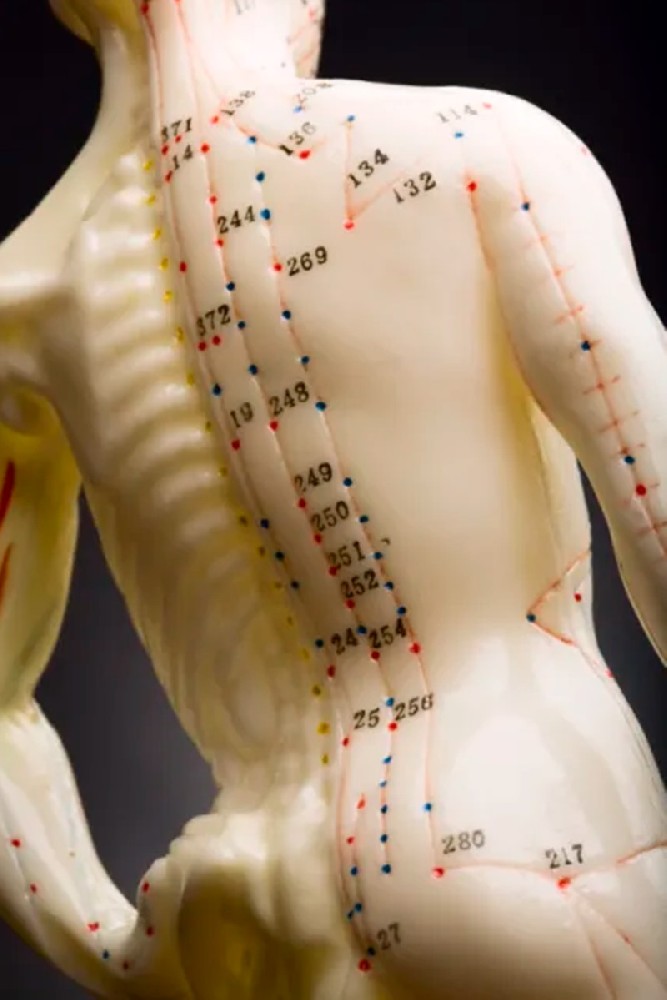 The core function of the meridian system is to ensure the smooth circulation of Qi and Blood. When Qi flows freely through the meridians, every part of the body receives nourishment, and physical, mental, and emotional health are maintained. However, modern lifestyle factors—such as chronic stress, poor posture, injury, or irregular diet—can block or disrupt meridian flow, leading to Qi stagnation, Blood stasis, or energy deficiency. This imbalance manifests as common complaints like chronic pain, fatigue, digestive issues, or mood disorders.
At TCM Oxford, our acupuncture therapy directly targets the meridian system to restore energy flow. Acupoints—specific points along the meridians where Qi is most accessible—are stimulated with ultra-fine, sterile needles to unblock stagnant energy, tonify deficient Qi, or reduce excess energy. For example, shoulder and neck tension (often linked to blocked Gallbladder or Bladder Meridians) is addressed by needling points like GB20 (Fengchi), while digestive discomfort (related to Spleen or Stomach Meridians) may be treated at ST36 (Zusanli) to invigorate Qi circulation in the abdominal meridians.
Tuina massage complements acupuncture by working with the meridian system through tactile stimulation. Our therapists use targeted manual techniques—including kneading, pressing, rolling, and stretching—to stimulate acupoints and meridians, relax tight muscles that block energy flow, and promote Qi and Blood circulation. For instance, Tuina along the Liver Meridian (running through the sides of the body) relieves Qi stagnation caused by stress, while work on the Bladder Meridian (extending along the back) eases back pain and improves overall energy flow.
Each meridian follows a specific pathway and governs unique bodily functions, allowing our practitioners to pinpoint imbalance with precision. Let’s explore a few key meridians and their relevance to common health concerns in the UK:
Liver Meridian (Yin): Runs from the feet to the chest, governing Qi flow, emotional regulation, and menstrual health. Blockages here often cause irritability, PMS, menstrual irregularities, or lateral body pain. Our acupuncture and Tuina target this meridian to soothe mood swings and alleviate reproductive system discomfort.
Bladder Meridian (Yang): The longest meridian, extending from the head down the back to the feet. It regulates fluid metabolism and supports the nervous system. Imbalances may lead to back pain, headaches, fatigue, or urinary issues. Tuina on the Bladder Meridian is particularly effective for relieving work-related back tension and improving sleep quality.
Stomach Meridian (Yang): Traverses the face, chest, abdomen, and legs, governing digestion and nutrient absorption. Blockages can cause bloating, indigestion, acne, or knee pain. Acupuncture at ST36 and abdominal Tuina stimulate this meridian to enhance digestive function and boost energy levels.
Heart Meridian (Yin): Connects the heart to the hands, regulating cardiac function and mental clarity. Imbalances may manifest as anxiety, insomnia, palpitations, or cold hands. Gentle acupuncture at HT7 (Shenmen) and chest Tuina calm the Heart Meridian, promoting emotional stability and restful sleep.
Beyond clinical treatments, we guide our patients to support their meridian system through daily habits, aligning with TCM’s preventive approach. This includes maintaining good posture to avoid meridian compression, practicing gentle exercises like Tai Chi or Qigong to stimulate Qi flow, and avoiding excessive stress that disrupts meridian harmony. We also offer dietary advice tailored to each meridian—for example, warming foods to support the Spleen-Stomach Meridian and hydrating foods to nourish the Bladder Meridian.
The meridian system is a testament to TCM’s holistic understanding of the body—as an interconnected whole where energy flow is key to health. At TCM Oxford, our qualified practitioners use this ancient wisdom to treat the root causes of discomfort, not just symptoms, through personalized acupuncture and Tuina therapies. Whether you’re struggling with chronic pain, stress, digestive issues, or hormonal imbalances, unlocking your meridian system’s potential is the path to lasting wellness.
Experience the healing power of unblocked Qi flow. Book a consultation with TCM Oxford today, and let our team guide you on a journey to restore meridian balance and revitalize your body’s natural energy.